

Obesity and intervertebral disc degeneration: a harmful combination
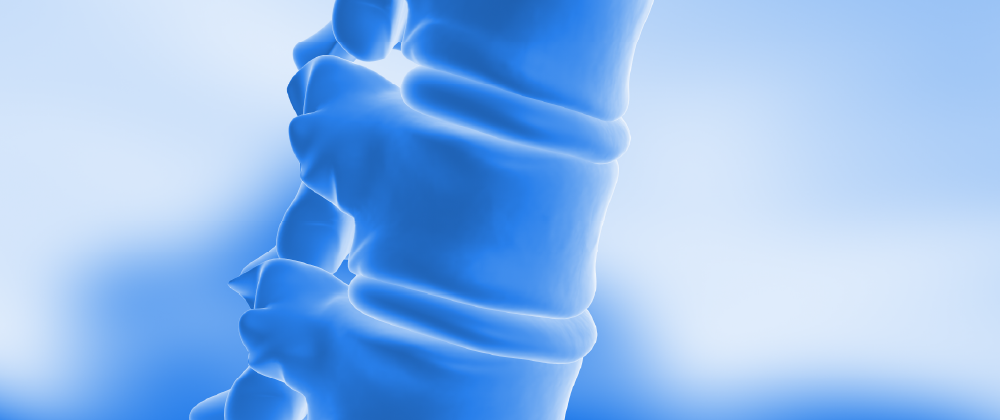
Intervertebral disc degeneration is one of the leading causes of low back pain worldwide, a condition that is significantly exacerbated by obesity. Increased pressure on the spine, inflammation caused by fat cells, and poor posture create a vicious cycle of pain, reduced mobility, and further weight gain.
Intervertebral disc degeneration: What is the role of obesity?
In recent years, evidence of the close relationship between the two diseases has been increasing, since overweight and obese adults are significantly more likely to experience back pain, compared to those with normal body weight.
Intervertebral disc degeneration Disk is one of the most common causes. In fact, as studies have shown, increased Body Mass Index is a factor in the degeneration of more discs and the occurrence of more serious damage, including narrowing of the intervertebral spaces.
The pain experienced by these patients results in a decrease in their mobility, a further increase in their body weight, and a continuous worsening of their symptoms.
Impacts on quality of life and everyday life
This vicious cycle limits functionality, affects well-being, reduces quality of life, and puts financial pressure on patients, both due to frequent absence from work both because of the cost of treating the pain.
Fortunately, there are effective solutions for both weight management and relief from back pain caused by intervertebral disc degeneration.
What is the role of the intervertebral discs?
The role of the intervertebral discs is to protect the spine, by absorbing shocks and cushioning the loads it receives. They provide flexibility to the spine, facilitating trunk movement.
Their degeneration, which is due to natural wear and tear and is part of aging, is particularly affected by weight, even if it exceeds normal by just 5 kilos.
Extra weight accelerates degenerative processes, because the parts of the spine work harder to withstand it and the harder they work, the faster they wear out.
In addition to the imbalances caused by poor weight distribution and poor posture, the chronic inflammation caused by obesity plays a significant role in accelerating their wear and tear, due to the release of cytokines from fat cells.
The problem is more severe in people with central obesity, because the excess weight is concentrated in the abdominal area, shifting the body’s center of gravity forward and to compensate for this, the spine changes its natural curvature and alignment, resulting in accelerated wear and tear. Given that degenerative disc disease is a chronic condition, over time it can become the starting point for other conditions such as herniated discs, spinal stenosis, spondylolisthesis and even spinal instability. data-ccp-props=”{"335551550":6,"335551620":6}”>
The importance of maintaining a normal body weight
Therefore, maintaining a normal weight throughout a person’s life is a strategy that reduces the chances of intervertebral disc degeneration or delays their deterioration.
For those who already have problems with their weight, a well-balanced diet that supports the health of the spinal discs, reduces inflammation, prevents its further increase or contributes to weight loss is essential for symptom relief.
Exercise is also vital, as it helps strengthen the spine and improve posture. and pain reduction. Low-intensity exercises, such as swimming, walking, yoga and stationary cycling, are recommended for overweight individuals because they enhance flexibility without straining the spine.
How is disc degeneration treated?
However, no measure can reverse disc degeneration, only delay its progression. The pain caused is treated conservatively, with physical therapy to strengthen the muscles, painkillers, anti-inflammatories or drug injections, or surgically with the application of electrothermal nucloplasty.
Diseases caused by disc degeneration can also be treated surgically.
Disk herniation is treated by removing the part of the disc that protrudes into the spinal canal,spinal stenosis with microdecompression, a technique in which decompression is achieved through a surgical hole without an incision, while spondylolisthesis and instability with spinal fusion surgery, which is also performed through holes with the help of fluoroscopic control and special tools.
Obesity can increase the technical difficulty and complication rates in surgical procedures. The higher the Body Mass Index, the greater the increase, among other things, in the time of the operation and the duration of hospitalization, the risk of infections and reoperation due to complications or recurrence.
Weight loss with diet and exercise, medication or bariatric surgery minimizes these risks and should be pursued preoperatively.
Author