

Foods that help us reduce cholesterol levels.
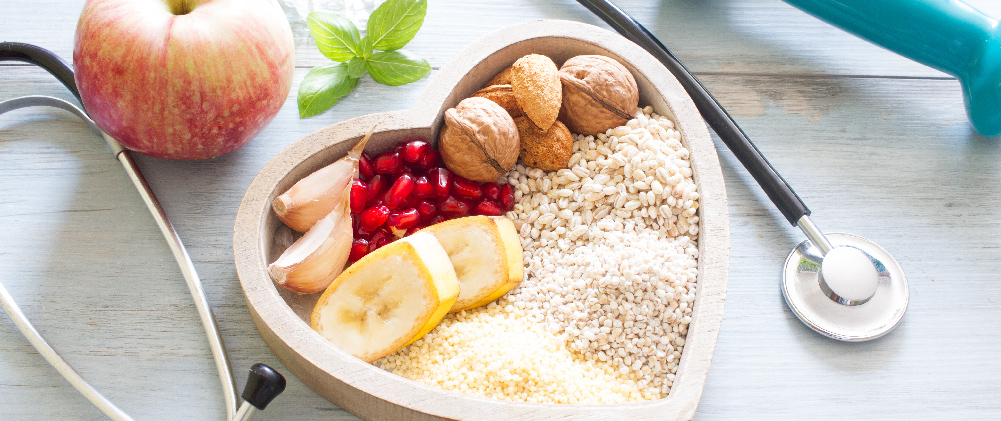
The cholesterol we consume through our diet has been associated with and implicated in the process of atherosclerosis and cardiovascular diseases in general. Clearly, its usefulness in the human body is varied as it is necessary and related to our normal nutrition. After all, everyone knows the division into good (HDL) and bad (LDL) cholesterol.
So what foods could help us if our doctor recommends a low-cholesterol diet?
Oats and other grains
They are an excellent source of soluble fiber. Soluble fiber has the property of “trapping” bile acids and, by extension, reducing the absorption of cholesterol from our gastrointestinal system. They can be consumed as breakfast cereals or as refined flours, replacing white flour and its derivatives. Other types include barley, quinoa, buckwheat, rye, millet. It is also a common scientific assumption that simple sugars are just as harmful as “bad” fats for our health.
Legumes
Legumes are rich in soluble fiber as well as plant-based proteins, accompanied by carbohydrates that are more friendly to the body’s euglycemia. Typical examples are lentils (green, red), beans (giant, pinto, black-eyed), chickpeas, etc.
Non-starchy vegetables
With similar nutritional value to the above, non-starchy vegetables have the main goal of offering a more refined replacement for the simple starches that we consume from our diet. Examples include asparagus, cauliflower, broccoli, Brussels sprouts, celery, peppers, green leafy vegetables, onions, etc.
Nuts and seeds
Almonds, walnuts, hazelnuts, chia seeds, flaxseed and other seeds have the ability to help increase good cholesterol (HDL). They can replace processed snacks consumed during the day. They enhance the nutritional profile of foods and the taste pleasure.
Fruits
Strawberries, pomegranates, berries, blueberries, raspberries, also have a high percentage of fiber as well as a low sugar content and especially fructose, unlike fruits that contain pulp such as apples, bananas, pears. They can be added to yogurt, salads or eaten plain as a snack.
Plant-based meat substitutes
Foods that are used to replace animal-based foods serve to reduce the overall intake of saturated and trans fats. Examples are soy, tofu, edamame.
Fish
Fatty fish contain anti-inflammatory omega-3s, unlike fatty meats, which contain a higher percentage of saturated fat. Therefore, replacing fatty meats with fish (fatty or not) in our daily diet could potentially benefit the reduced intake of LDL.
Olive oil and avocado
Extra virgin olive oil has a unique profile with a high percentage of monounsaturated fatty acids and conversely a low percentage of saturated ones. A characteristic that beneficially supports heart health and could increase HDL. Avocados, a food in which we now have sufficient domestic production, have similar characteristics.