

Shoulder Diseases: from chronic pain to definitive treatment
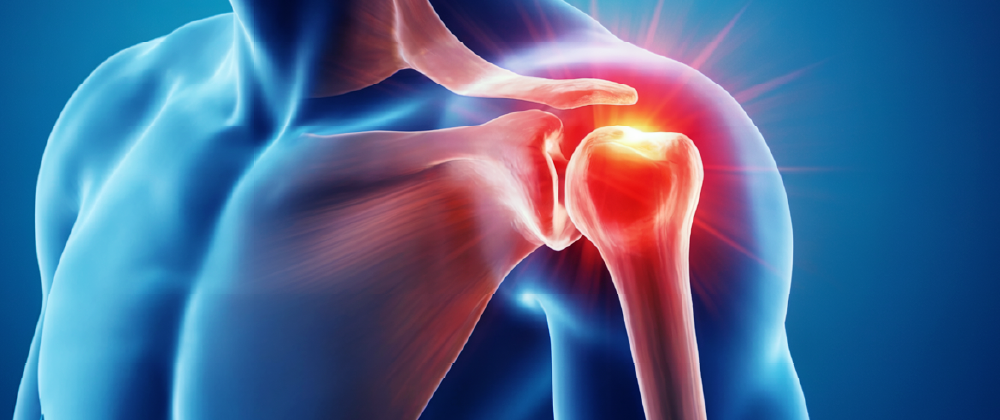
The shoulder is the joint with the greatest range of motion in the human body, which makes it the most vulnerable to injuries and degenerative diseases.
For many patients, shoulder pain ends up becoming a daily problem, limiting simple movements, such as dressing, bathing or sleeping, and dramatically degrading their quality of life.
One of the most common phenomena we encounter in orthopedic practice is the tendency of patients to delay seeking specialized help. Many patients try to manage pain temporarily, resorting to painkillers, anti-inflammatory or injectable treatments, without having first investigated the cause of the pain.
The result is that, in some cases, they reach the specialist with more advanced damage, greater functional limitation or a burdened condition of the tendons and surrounding structures. Conservative treatment, such as physical therapy, medication and ice therapy, is often the first line of treatment for conditions such as calcific tendonitis or impingement syndrome. However, when symptoms persist or functionality does not improve after a reasonable period of time within a few weeks, reassessment by a specialist is required in order to avoid further deterioration and to select the appropriate therapeutic approach.
Tendon Ruptures and Shoulder Instability
Two of the common shoulder conditions that require specialized treatment are:
- Tendon Rupture of the Rotator Cuff:
It refers to injury or wear and tear of the tendons that contribute to the stability of the shoulder and allow the arm to be raised and rotated. When they rupture, they can cause pain, weakness, and limited movement. - Shoulder Instability and Dislocation:
These are conditions in which the shoulder is partially or completely out of place, usually after an injury. In these cases, damage to the labral cartilage and the stabilizing mechanisms of the joint may occur, increasing the risk of recurrence.
Modern surgery allows in many cases the treatment of lesions with arthroscopy. Using a camera and thin instruments, the surgeon intervenes through small incisions, aiming for less tissue damage, less postoperative pain and faster recovery compared to more extensive open techniques. The exact course of rehabilitation always depends on the type and severity of the injury, as well as the specific characteristics of each patient.
Stages of rehabilitation
Returning to daily life and quality of life is our main goal for each patient. However, tissue healing takes time. Even when the pain has subsided, the tendons and surrounding structures need the necessary time to heal properly. After shoulder surgery, rehabilitation usually progresses gradually, with initial protection of the joint and then an individualized physical therapy program.
- Protection phase: Depending on the type and severity of the intervention, it may Suspension may be required for approximately 2 to 6 weeks to protect the recovery and limit the burden on the shoulder.
- Physical therapy phase: This is followed by an exercise program with gradual restoration of movement, strength and functionality. Progress is made step by step, based on the instructions of the attending physician and physiotherapist
Specialized Care
When shoulder pain persists or affects daily life, it is important that the patient is evaluated by a specialized orthopedic shoulder surgeon, so that the correct diagnosis can be made and the appropriate therapeutic approach can be selected. At the Minimally Invasive Orthopedic Surgery Clinic At the Athens Medical Center, we have the expertise and infrastructure of an organized hospital unit, aiming at comprehensive and personalized treatment of each case. Modern medicine today allows, in many cases, the safe and effective restoration of shoulder functionality and improvement of quality of life. Persistent pain should not be treated as something “normal”, especially when early diagnosis and appropriate treatment can prevent deterioration and lead to a better functional outcome.
International Recognition for the Department of Minimally Invasive Orthopaedic Surgery of the Athens Medical Center.
The Department of Minimally Invasive Orthopaedic Surgery of the Athens Medical Center, under the direction of Mr. Andreas Leonidou, Orthopaedic Surgeon, was officially recognized as a SECEC Education Centre for the period 2026–2030. This recognition places the Department in a distinguished European network of more than 60 Education Centres, which actively contribute to the development and international promotion of shoulder and elbow surgery.
In this context, the Center will have the opportunity to host fellows from Europe, participate in international educational activities (webinars, live surgeries, mentoring sessions), and actively contribute to the dissemination of scientific knowledge and innovation.
Author




