Parkinson’s: a disease that concerns us all
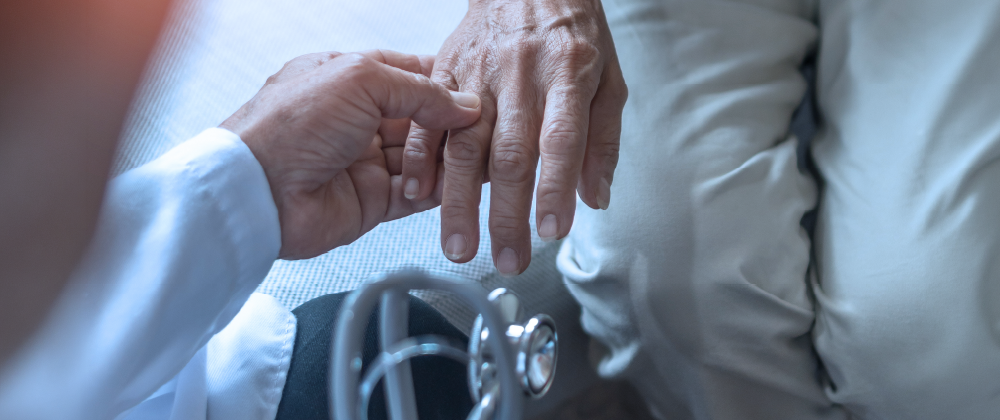
Every year, in April (11/04), the global community commemorates World Parkinson’s Day. This day is an important opportunity to raise awareness and information about a neurological condition that affects millions of people worldwide, as well as their families. Above all, it is a day dedicated to understanding, early recognition and solidarity.
The first description of the disease
The first significant description of the disease was made by the English Neurologist JamesParkinson in 1817, while a second important milestone for the disease is the progress of neurochemistry in the 20thcentury, where Dopamine was discovered by the Greek physician Georgios Kotzias in 1960. It is a substance essential for mobility, where its reduction leads to disease. Parkinson’s disease. In the same year, Ehringer & Hornykiewicz found a lack of dopamine in the brains of deceased patients with Parkinson’s disease. This particular neurological disease is the second most common chronic progressive neurodegenerative disorder. It affects 4 million patients worldwide. 1-2% of the population worldwide suffers from the disease at the age of 65. 4% of patients develop the disease at the age of less than 50. According to studies, the number of patients worldwide is expected to double by 2030.
A special place in the history of the disease is also occupied by the book Awakenings by Oliver Sacks, published in 1973 and later adapted into a film. It is the story of a stay in a nursing home for people with permanent muteness, drowsiness, and immobility. The doctor decides to administer dopamine on a trial basis and the patients awaken, speak, and take care of themselves. However, this story uniquely highlighted the power of medical intervention, but also its limits.
What are the symptoms of the disease?
The disease often begins years before it is clinically noticeable, with a disorder of smell. Usually, clinical symptoms include movement disorders, tremor of the limbs at rest, slowness of mobility, walking (small steps), muscle stiffness, instability, rigidity, difficulty standing, loss of rhythm and intensity of speech and movements. However, the disease is not limited to movement disorders. Many people also experience non-motor symptoms, such as sleep disorders, anxiety, depression, fatigue, constipation or a decrease in the sense of smell. Often, these symptoms appear years before the diagnosis is made.
What are the current treatment options?
Although there is currently no cure that can reverse the disease, there are effective treatment options that significantly contribute to managing symptoms, increasing or replacing dopamine, and improving daily functioning. In some cases, more specialized interventions such as brain stimulation are applied. The role of exercise and rehabilitation is also particularly important. Physiotherapy, speech therapy, and occupational therapy help maintain independence and quality of life. Regular physical activity has been shown to enhance both physical and mental health, offering essential support in the daily lives of people with Parkinson’s.
World Parkinson’s Day invites us to look beyond the symptoms. It reminds us that behind every diagnosis there is a person with needs, potential and the right to a life with dignity. At the same time, it highlights the need for continued research, better access to health services and strengthening support structures.
Author