

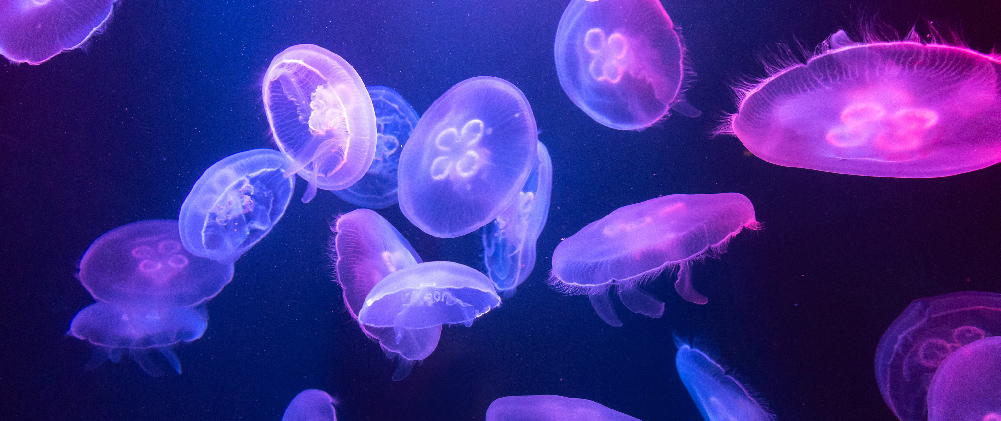
Purple jellyfish. Sting and treatment
Summer and especially the Greek summer is the time of year that we all look forward to, young and old, so that we can relax, escape the routine of everyday life and enjoy the sun and the sea.
Unfortunately, this year, the Greek seas have been filled in some geographical areas with a visitor who does not make our baths so carefree. The reason is the purple jellyfish or Pelagia Noctiluca as it is scientifically called. Its name comes from the Greek word πελαγια (pelagia) and from the Latin words nox / night and lux / light due to its ability to glow in the dark.
Another characteristic of the purple jellyfish is the tentacles it has, unusual for jellyfish, tentacles that can reach up to 2 meters in length.
These tentacles have microcysts on their surface, allowing them to release toxic substances when they come into contact with human skin, causing local reactions. These reactions are characterized by pain that can last for several days, local redness, swelling and rash.
Rarely, the symptoms can be more general and cause dizziness, vomiting, diarrhea and a severe allergic reaction.
So in the event that we are stung by a purple jellyfish, what we should do is rinse the area with plenty of seawater, apply baking soda dissolved in seawater to the bite area. Also, cortisone cream and antihistamines should be given to avoid more severe reactions. In very rare cases where we have more serious allergy symptoms, we should immediately seek medical attention.



