Learn about your heart health. Information saves lives
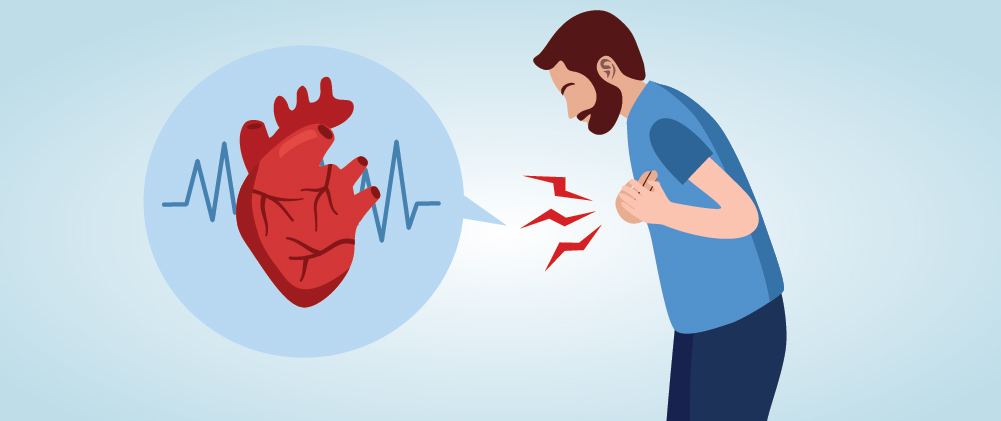
With the right information, you can reduce your risk of heart attack and treat cardiac emergencies properly.
What are the symptoms of a heart attack? What should you do if you have a heart attack? Can we even know if you are at risk of a heart attack?
Most people ignore the answers to these important questions. A recent study revealed that the majority of Americans know very little about their heart health.
This treatment can be deadly: heart attacks cause more deaths each year than all forms of cancer combined. However, coronary artery disease – the condition that causes heart attacks – is largely preventable, but it takes effort and dedication.
“If you don’t know your risk for heart disease, you can’t take steps to prevent it.”
Here are the main points you need to know:
Learn how a heart attack happens
Thin, spaghetti-sized arteries on the outer surface of the heart muscle supply the heart with fresh, oxygenated blood. If these arteries become clogged with fatty deposits, the flow to the heart slows down. If a blood clot completely blocks the flow, a heart attack occurs.
Learn the symptoms of a heart attack
The symptoms of a heart attack can be vague and differ between men and women. “The vast majority of both sexes feel a squeezing pain in the center of the chest that often extends to the left arm, both hands or the jaw. This feeling is often accompanied by difficulty breathing and sweating. Often, however, when the heart attack involves the lower wall of the heart, we may feel pain in the epigastrium with nausea and vomiting.”
Learn what to do if you have a heart attack
If you have symptoms that may be due to a heart attack and the discomfort lasts more than five minutes, call 166. While you wait for the ambulance, chew an aspirin to help dissolve the clot.
“Do not try to drive yourself to the hospital and do not expect someone else to drive you. This will delay life-saving care.”
“Accordingly, it is not necessary to call your doctor for approval. The emergency department will talk to your doctor for you.”
Learn the difference between a heart attack and cardiac arrest
Only 13% of those surveyed in the study knew the difference between a heart attack and cardiac arrest. Only 14% of men and 6% of women knew that electricity makes the heart work. Cardiac arrest is an electrical failure or cessation of heart function due to serious arrhythmias.
In the case of ventricular tachycardia and fibrillation, the heart does not beat normally, begins to flutter and cannot pump blood, causing the person to lose consciousness and collapse. Death occurs within 3 to 5 minutes if no action is taken to restore normal rhythm.
Learn what to do in a cardiac arrest
Immediate cardiopulmonary resuscitation can mean the difference between life and death, doubling or tripling a person’s chances of survival. If you see someone collapsing, check for a pulse. If a person is unconscious and has no pulse, begin CPR.
Only 54% of those surveyed in the study knew about CPR, and only 15% knew how to do it correctly. Today, CPR is performed only with chest compressions. Only 11% knew how fast chest compressions should be performed.
CPR is used to maintain blood flow until the heart’s rhythm can be restored with electrical shock from a defibrillator. Many public places and businesses have automated external defibrillators (AEDs) for this purpose. The good news is that 88% of people who have an AED at work know where it is, and 68% know how to use it.
Today’s AEDs are very advanced, analyzing the patient’s heart rhythm and delivering a shock only if needed.
Know your own risk for heart disease
Half of the study respondents said they know very little about their own heart health. That’s like playing Russian roulette with your health.
Don’t wait for your doctor to tell you if you have heart disease, as 87% of Americans do.
Here’s what you should do:
Measure your blood pressure once or twice a month, check your blood sugar and LDL cholesterol levels every 6 months. Also, ask your relatives if anyone in your family has had a heart attack or stroke, and note their age and gender. Give this information to your next doctor visit with your doctor.
The combination of your family history and your risk of high blood pressure, also known as hypertension, diabetes, and high cholesterol will help your doctor determine your individual risk for heart disease. With this knowledge, your doctor can recommend the medications or lifestyle changes you need.
“The fact that 56% of the men in our study knew more about their favorite sports team than they did about heart disease prevention was a surprise, but it’s not funny.” “If you want to enjoy your family, friends, and favorite activities for many years, we advise you to learn about your heart risk and take steps to reduce it.”
Author