

Respiratory syncytial virus (RSV) infections: prevention
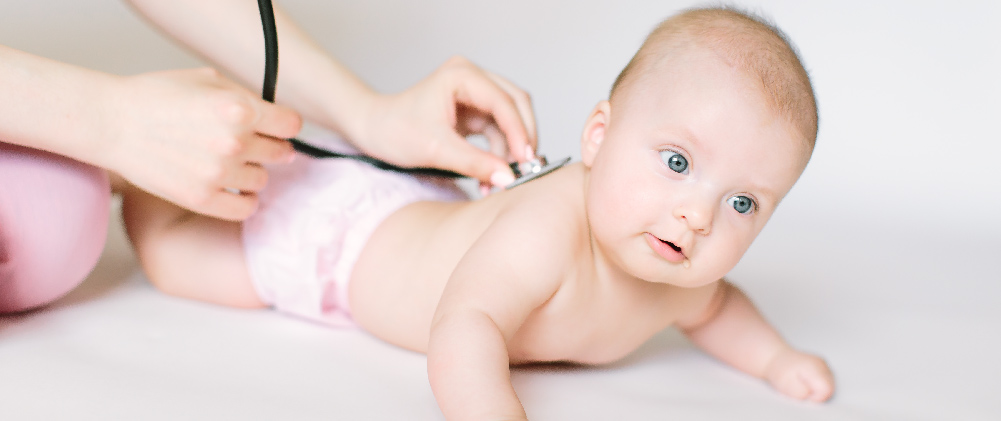
Respiratory syncytial virus is a common cause of respiratory tract infection in infants and toddlers.
Almost all children are expected to be infected with RSV by the age of two and, in the vast majority of cases, the infection follows the typical picture of a viral infection, which manifests itself with rhinitis, cough and fever. In some cases, however, the course of the infection can be complicated, leading to more serious symptoms.
Children who require hospitalization due to RSV infection are usually under 5 years of age and the greatest risk is faced by premature newborns, infants under 6 months of age, toddlers with concomitant diseases of the respiratory system or heart, as well as children with known diseases that cause disorders of the immune system (our body’s natural defenses).
In these cases, the infection manifests itself in the form of bronchiolitis (inflammation of the small airways of the lung) or pneumonia (infection of the lungs).
Since no vaccine has been developed against respiratory syncytial virus to date, its prevention through adoption simple hygiene rules are crucial.
RSV transmission is more common during the fall, winter and spring and its prevention includes some simple but crucial steps:
-
If a family member shows symptoms of a viral respiratory infection, they should stay home and avoid contact with other family members, as much as possible.
-
Contact between newborns (under one month old) and young children should be avoided, as well as their stay in nurseries – especially during the winter months.
-
Washing hands with soap and water for at least 20 seconds is a good antiseptic method and should be followed not only by adults but also by young children.
-
In the event of illness, contact of the face with hands should be avoided as this helps in their transmission to other family members.
-
When the viral infection manifests itself with a cough and runny nose (in most cases), the mouth and nose should be covered with a cloth, respectively, and this should then be discarded.
-
Ideally, all surfaces that sick family members frequently come into contact with (such as toys, dishes, doorknobs, etc.) should be cleaned regularly.
Despite prevention efforts, inevitably, some babies will get sick from the respiratory syncytial virus.
In case the baby shows unexplained irritability or decreased activity, decreased appetite as well as wheezing or periods of apnea (pauses between breathing movements) he should be examined immediately by a pediatrician, as hospitalization may be deemed necessary.
Author