

Organizing the refrigerator for better nutrition
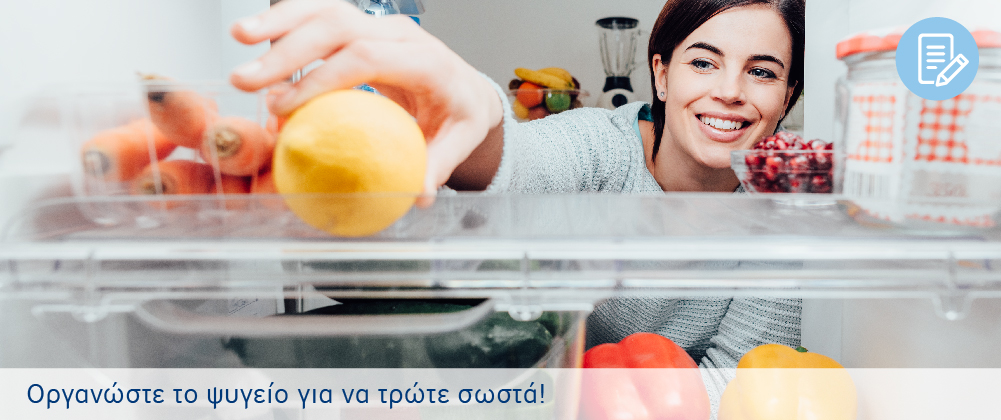
The image of our refrigerator can “say” a lot about our eating behavior.
Our consumer choices betray the quality of our diet.
For example, we draw many conclusions by opening the door of a refrigerator full of processed foods with a variety of preservatives and one full of organic and “refined” products.
Below are some ideas that could benefit our daily eating practices, whether we want to aim for a lower weight or a healthier diet.
-
Create simple, understandable refrigerator rules in line with the advice of specialized dietitians. For example, processed foods, foods with trans fats, or foods with white flour are prohibited. Or for example, foods that have too many ingredients are prohibited (on the nutrition label (which probably means that it is a heavily processed food with many preservatives).
-
Categorize the spaces in the refrigerator, leaving space for vegetables, fruits, products with higher quality carbohydrates and generally foods of higher nutritional value and smaller spaces for higher calorie foods. This way, it will be clearer which foods we should prefer and which we should avoid. In this direction, we can classify with similar logic according to the shelf and accessibility to it.
-
We prepare our meals at times when we have time. For example, we cut the lettuce that we will need for three consecutive days for our main meal and divide it into containers. We save time both from processing and from the whole process, e.g. plates, cutting boards, bowls, etc. Also, we cook once for 2 days and portion accordingly.
-
Prefer to prepare the next day’s snacks yourself and place them in the refrigerator so that you don’t have to run in the morning. For example, you will appreciate more an Arabic pita that you have prepared with your own hands with pure ingredients, rather than a similar commercial pita. Also, having the snack ready, it will cost you less but will also make you avoid choosing ready-made snacks, with more calories and heavier ingredients. When we are hungry, our choices are more “relaxed”.
-
As part of the preparation, you could match food combinations in advance and have them in ready-to-use containers, in the refrigerator. For example, carrot sticks with hummus or apple slices with cinnamon and a little peanut butter (an apple with a little orange or tangerine doesn’t turn brown).
-
Replace as many products in the refrigerator as you can, with their healthier form. You can achieve this by carefully studying nutritional labels. The main axes are avoiding products that have trans fats, those that are high in sugar and those that have many preservatives.
-
Finally, stick on the refrigerator door anything that could motivate you more towards the fight for a healthier diet. For example, a photo of you with fewer kilos or your diet plan or a card from your specialized dietitian – nutritionist.



