

COVID-19 and Chronic Respiratory Diseases
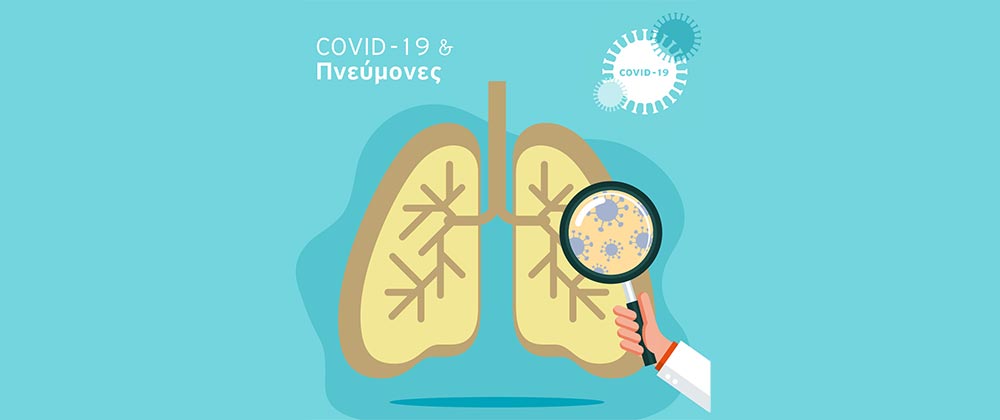
Patients with chronic respiratory diseases are more vulnerable to infections compared to the general population due to local and systemic disorders of the body’s defenses.
The COVID-19 pandemic is raising legitimate concerns and questions among these patients. These diseases are very common in Greece and sufferers belong to vulnerable groups.
This, of course, does not mean that all sufferers of COPD (Chronic Obstructive Pulmonary Disease), for example, are at the same risk. The level of risk is different in mild COPD than in very severe – oxygen-dependent COPD.
The same happens with other respiratory diseases. In particular, patients with COPD or asthma should keep their disease under control by taking their treatment correctly. Inhaled cortisone does not cause immunosuppression, so it can be continued as normal. The same applies to biological agents administered for asthma.
When patients with obstructive lung diseases – and not only – experience increased sputum production, change in sputum color, shortness of breath or fever, they should contact their pulmonologist immediately. All of the above indicate an exacerbation of the infectious etiology of their disease.
In summary, those suffering from chronic respiratory diseases should follow the following instructions during the COVID-19 pandemic:
-
Stay at home.
-
Scholastic adherence to hygiene measures (including quitting smoking).
-
Avoiding contact with people suffering from any infection and young children.
-
Continuing treatment (whether inhalation therapy or another) – Continuing the oxygen therapy.
In case of coronavirus infection, it is recommended to stop using a nebulizer and use alternative treatment if possible and always under the instructions of the treating pulmonologist.
-
Continue using CPAP or Bi-PAP devices, except in the case of coronavirus infection, where discontinuation is preferable, always according to instructions.
-
In case of taking immunosuppressive drugs, we consult our doctor for the possibility of a possible modification of the treatment.
-
In case of symptoms of infection (cough or worsening of a pre-existing cough, shortness of breath or fever) immediately contact the treating pulmonologist or the EODY before going to the hospital. You are not unnecessarily burdening the health system!
If the above is adhered to and we all maintain our composure, it is certain that we will emerge victorious from this process.
Author