

Cholelithiasis or gallstones?
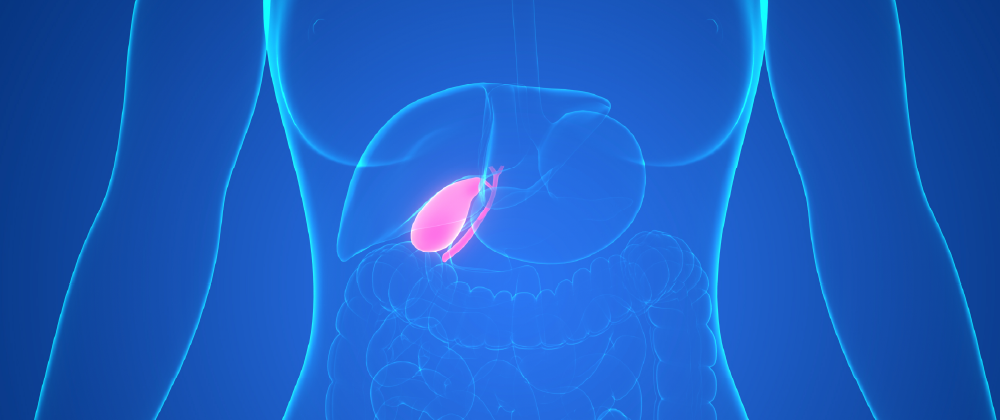
The official name of the condition ischolelithiasis. In everyday life, however, to describe this somewhat common gallbladder condition we use the words“gallstones”.
This is a condition thatin the majority of people does not cause symptoms, as the stones remain inside the gallbladder and do not move. Most of the time, they are discovered incidentally during an imaging test.
However, in some cases it can cause a variety of symptoms. This happens when the gallstones move, which is usually observed after a large or heavy meal.
Four signs of gallstones:
1. Abdominal pain
It is one of the main symptoms of the condition and is usually located in the upper right area of the abdomen (i.e. near the ribs). It can, however, be reflected in the upper back, in the central area of the abdomen, as well as in the right arm or shoulder. It is a sharp pain, often felt after eating. It can last from a few minutes to several hours, and does not respond to common painkillers.
2. Nausea (and vomiting)
Severe nausea, which can lead to vomiting, is another common sign of gallstones. It also often occurs after eating and can last for several hours. Unfortunately, this condition is often confused with other problems, such as heartburn.
3. Fever
You may experience a low-grade fever, which indicates that there is an infection or inflammation of the gallbladder. The fever may be accompanied by chills or sweats.
4. Jaundice
In simple terms, jaundice is characterized by yellowing of the skin and whites of the eyes, dark urine, and light-colored stools. It occurs when the bile ducts (which release bile from the liver into the duodenum) become blocked, causing increased levels of bilirubin in the blood.
Who is at higher risk of gallstones?
Anyone can develop gallstones. However, certain groups of the population are at increased risk, such as:
- Women in relation to men.
- People over 40.
- Obese people.
- Those who lose weight quickly.
- Those who follow a diet rich in fat and cholesterol.
- Sedentary people.
- The pregnant women.
- Those with a family history of cholelithiasis.
- Those taking medications containing estrogen.
- People suffering from diabetes insipidus.
Can you prevent gallstones?
Unfortunately, there is no specific step-by-step guide that will help you prevent gallstones from forming. What you can do is take some steps to reduce your risk. The first of these is to limit your cholesterol intake through your diet (although this does not prevent the formation of pigment stones). In general, maintaining a healthy lifestyle is what you need to do in this case as well. When to see a specialist?
Gallstones, if they move, can cause serious and even life-threatening conditions, such as acute pancreatitis. Although a small percentage of patients end up with complications, if you have been diagnosed, it is a good idea to consult your doctor about the available treatment options to avoid the worst. In the event that you experience any of the above signs, an immediate visit to a specialist is required.
Author