Vaginitis in children
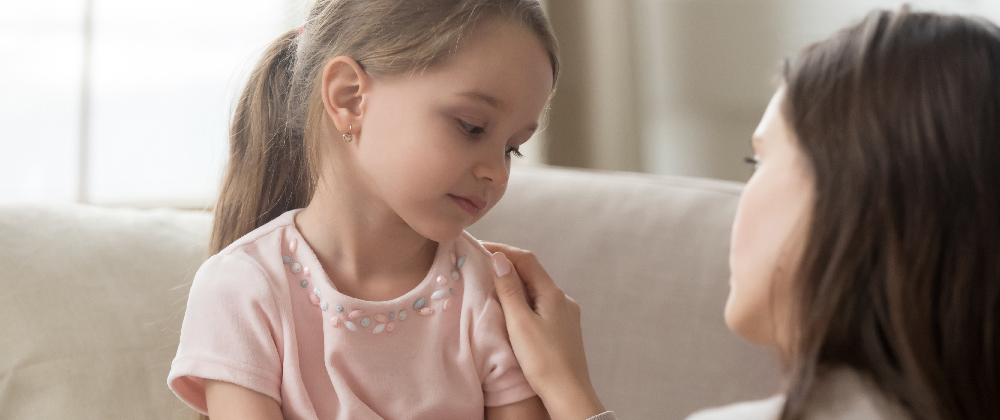
Vulvovaginitis is inflammation or irritation of the vagina and vulva (the external female genital area). Mild vulvovaginitis is a very common problem that some young children experience frequently. With the onset of puberty, vulvovaginitis occurs less frequently.
In most cases, it is not a serious problem and usually improves without medication, even without medical care or tests.
How do I know if my child has vulvovaginitis?
If your child has vulvovaginitis, they may have:
- Itching in the vulva or vagina.
- Vaginal discharge (can be white, green, bloody, and sometimes smelly).
- Redness of the skin between the labia (outer lips of the vagina).
- Burning or stinging during urination.
Why does vulvovaginitis occur at this age?
- The lack of estrogen at this age is responsible for the neutral pH in the area – an ideal medium for the multiplication of pathogenic microorganisms.
- Before puberty, the skin in the vulva is thin and has a reduced layer of fat. This can lead to irritation more easily.
- Pubic hair has not developed, making the area more vulnerable to the establishment of pathogenic microorganisms.
What factors cause vulvovaginitis?
- Poor hygiene: “wrong” wiping of the area after using the toilet.
- Inadequate hand washing, resulting in contamination of the area by oral microbes.
- Tight clothing that increases friction in the area.
- Excessive weight.
- Irritants such as soap residue, shower gels and antiseptics.
- Foreign body in the vagina (toilet paper or small toys).
- Plugins (worms) in children’s feces – a characteristic feature here is severe itching of the anus at night.
What are the first steps I can take at home?
In most mild cases of vulvovaginitis, you can care for your child at home, without seeing a doctor.
Try to avoid things that make vulvovaginitis worse:
- Wear comfortable, cotton underwear and avoid tight jeans, etc.
- If your child is overweight, ask for advice on how to maintain a healthy weight through diet and exercise.
- Don’t use too much soap in the bath or shower, and make sure any soap is rinsed well from the vulva. Avoid bubble baths and antibacterial products – they are not needed at this age.
- Some children find chamomile baths helpful: add a cup of chamomile to a shallow bath for 10 to 15 minutes. Repeat daily for a few days.
- Soothing creams (soft paraffin, diaper rash prevention creams) can help reduce pain as well as protect the skin from moisture or any secretions, which can be irritating.
You may need to repeat these simple measures if the problem recurs.
When should I take my child to the doctor?
We consult our doctor when:
- Vaginitis bothers your child, it is not relieved by the simple measures mentioned above.
- The discharge from the vagina is bloody or has a green color.
- The discharge from the vagina has a foul odor.
- We see sores in the vaginal area.
In the above cases, the doctor will recommend taking a culture of vaginal fluid to rule out the presence of pathogenic microorganisms that require treatment.
Key points to remember
It is important to remember that mild vulvovaginitis is a very common problem that can recur, but will definitely improve as your child grows. Follow the simple instructions mentioned. In any case, it is a good idea to inform and consult a pediatrician or gynecologist, especially in case of severe or persistent symptoms.
Author