Pacifier: How will he break it easily?
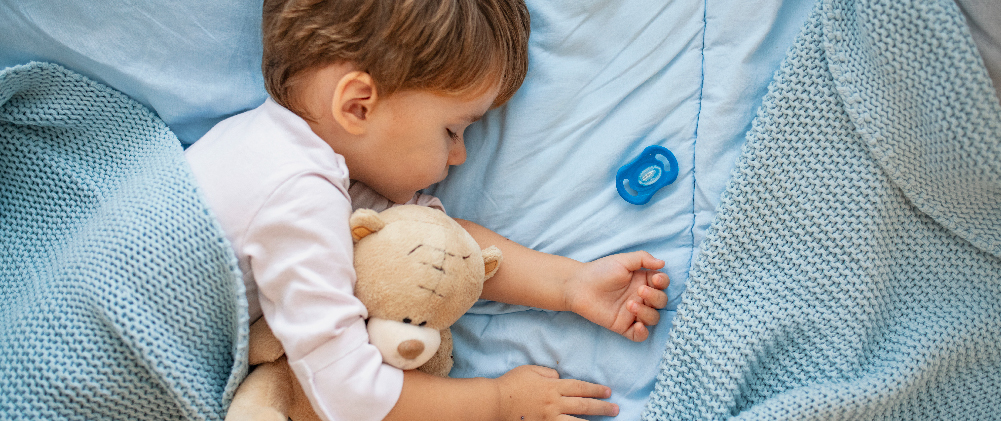
Pacifier use is observed in a large percentage of infants and toddlers.
Pacifiers are used more by infants who are not breastfed or who stopped breastfeeding early.
The American Academy of Pediatrics recommends stopping pacifier use by the age of 12 months. However, most children stop using pacifiers on their own at the age of 2-4 years. If its use is prolonged after the age of 4-5 years, it can lead to various problems.
Pacifier use is a normal habit for infants and toddlers because it gives them peace and security. There is research data that supports that it has a protective role against sudden infant death syndrome (SIDS).
However, the negative consequences associated with its use outweigh this benefit. In any case, breastfeeding, not pacifiers, is the strongest protective factor against SIDS.
Pacifier use has been associated with repeated episodes of acute otitis media, respiratory and digestive system infections, and oral thrush.
Pacifiers undermine the success of breastfeeding as they cause nipple confusion and postponement of meals, resulting in reduced breast milk production, inadequate weight gain, and early cessation of breastfeeding. Especially in the first six weeks required for the establishment of the mother’s bond, the pacifier is absolutely contraindicated.
It also causes disorders in the occlusion of the teeth such as anterior open bite and posterior cross bite.
Of course, if the use of the pacifier is discontinued before the age of 3-4, the permanent teeth may erupt in the correct positions, but if the cessation of the pacifier is delayed, orthodontic intervention will be required.
The pacifier has also been implicated in speech delay because it reduces the child’s interest in activities that require active participation and interaction with other children.
Physiologically, most children eliminate the habit of the pacifier on their own around the age of 3.
If its use is extended until the age of 4-5 years, discontinuation is more difficult, but the orthodontic effects and the effects on speech development are more serious. If the child has difficulty giving up the pacifier after the age of 3, the parents should be asked about the existence of possible stressors in the family environment.
As long as there are no such factors, the pediatrician can significantly contribute to the abolition of the pacifier by advising both the parents and the child, if the child’s age allows it.
Only for sleep
It is good for parents to offer the pacifier only for sleep from the age of two or earlier and to remove it during the day.
Reading books
There are many books with vivid illustrations that refer to the cessation of the pacifier. Children easily identify with heroes and follow their example.
Transitional object
A blanket or a stuffed animal can provide relief and security to the child during daily stresses along with a warm maternal embrace.
The pacifier fairy
The child will more easily accept the removal of the pacifier if he knows that the pacifier fairy or a kitten or a dog took it to offer it to younger children or animals who need it most. This way, he will feel that he is participating in a generous and beneficial act.
Personal diary
Keeping a personal diary where stamps or stickers are used to reward the child for avoiding the pacifier every day helps the child to continue his efforts.
Informing the child by the pediatrician
With simple words and pictures, the pediatrician can inform older children about the unpleasant consequences that using a pacifier can have on their teeth and smile.
In conclusion, stopping the pacifier is easy but almost always requires the consent of the child who, with clever maneuvers and the support of the parent, will emerge victorious in his confrontation with this temporary “enjoyment” of infancy and early childhood.
Author