Their sleep disorders: the parents’ anxiety
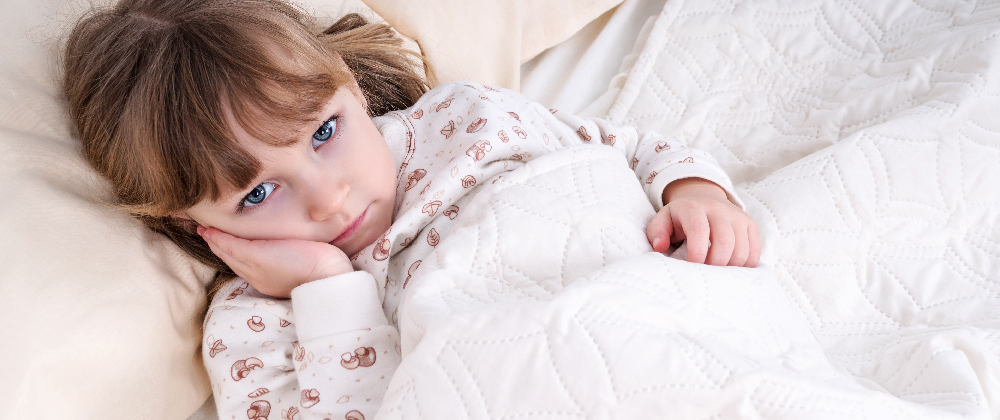
Sleep stages from infancy develop in a defined order, during which the duration of deep sleep gradually increases and then the typical stages of normal sleep appear. Sleep stages, such as wakefulness, rapid eye movement (REM) sleep and non-REM sleep, are determined by various pathophysiological characteristics.
70% of infants at the age of 3 months sleep the whole night (about 5 hours without interruption) and have 4 periods of normal sleep per 24 hours. Premature infants need a longer period of adaptation than full-term infants. Sleep disorders may be due to organic causes or environmental factors.
OrganicCauses
-
Colic
-
Drugs (Stimulants, bronchodilators, antiepileptics, etc.)
-
Chronic irritant disorders (Dermatitis, asthma, gastroesophageal reflux)
-
C.N.S. Disorders
Qualitative Disorders Sleep
-
Sleepwalking
-
Nightmares
- Enuresis
Sleep-wake disorder
-
Irregular sleep-wake pattern
-
Sleep delay
-
Poor sleeping posture
-
Excessive nighttime fluid intake
-
Lack of discipline, anxiety, fears
-
Disturbed family environment
To address sleep disorders, there must be a specific procedure and bedtime. In cases where children are late going to sleep, their biological clock is set in such a way that the child is not ready at a specific time. Treatment consists of gradually shifting bedtime either later by 15-30 minutes per day, or earlier by 2-3 hours per night for a week.
Nightmares, bedwetting, head banging, tossing and turning, and sleepwalking are phenomena of deep sleep and are usually not related to pathological conditions. If they persist or are accompanied by developmental disorders, they should be investigated.
Author