

Growth hormone deficiency and short stature
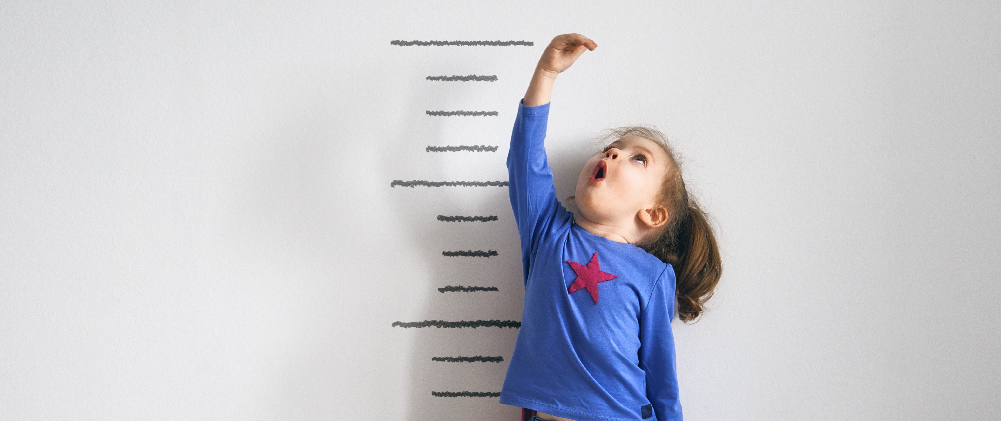
The role of growth hormone is to control the growth of our muscles, bones, and organs.
It also gives us energy and helps us feel good.
Growth hormone is produced by the brain in collaboration with two of its organs (hypothalamus and pituitary gland) and is secreted into the blood.
When there is a growth hormone deficiency, the brain is not able to produce the right levels of growth hormone.
Some children are born with a growth hormone deficiency, while others develop the problem later due to a head injury, a brain tumor, or after radiation therapy to the head.
However, most of the time the cause is unknown.
Symptoms of growth hormone deficiency
- Slow growth rate and/or short stature
- A person who looks younger than their peers
- Plump body, small arms and legs, not well-developed muscle mass
- Hypoglycemia in severe growth hormone deficiency in infants & toddlers
- Small penis in a newborn boy with severe growth hormone deficiency
- Delayed puberty
Diagnosis of growth hormone deficiency
The diagnosis of growth hormone deficiency is made with the help of the child’s history, clinical examination and special laboratory testing which includes:
- Bone age X-ray. It provides information about the child’s growth potential.
- Hematological and other tests. To exclude other causes that affect the child’s growth.
- Blood IGF-1 level. It is a hormone that reflects growth hormone levels (but not always).
- Growth hormone challenge test process. The child is given a drug that will cause the pituitary gland to secrete growth hormone. If the growth hormone levels are not high enough, it is an indication that the secretion of growth hormone is insufficient.
- Magnetic stimulation of the hypothalamus and pituitary gland to rule out any process that prevents their proper functioning.
Treatment of growth hormone deficiency
Growth hormone deficiency is treated with replacement therapy by giving subcutaneous injections of synthetic growth hormone, daily before bedtime.
The injection is done with a special pen in which the needle can be hidden or a needle-free device (air pressure).
The pediatric endocrinologist monitors the child’s progress every 6 months or so and the dose is adjusted to the weight and stage of puberty. We get better results when treatment starts early. The need for treatment is reassessed when the child reaches their final height, because some children with severe growth hormone deficiency may need treatment into adulthood.
Most common side effects:
- Redness at the injection site
- Swelling at the injection site
- Headache (if it persists, inform the doctor for temporary discontinuation of treatment)
- Slipped femoral epiphysis
Is short stature or low growth rate in a child not always due to growth hormone deficiency?
It may be due to:
- Chronic diseases that have not yet been diagnosed and affect the child’s general health and, by extension, how he grows.
- Treatments for some diseases, such as e.g. treatment with corticosteroids, can negatively affect growth.
- Genetic predisposition, where diagnosis (when possible) can be of great importance, because it can positively affect other important aspects of the child’s health.
Checking for these cases is an important part of investigating short stature.
Author