

Hearing loss in children
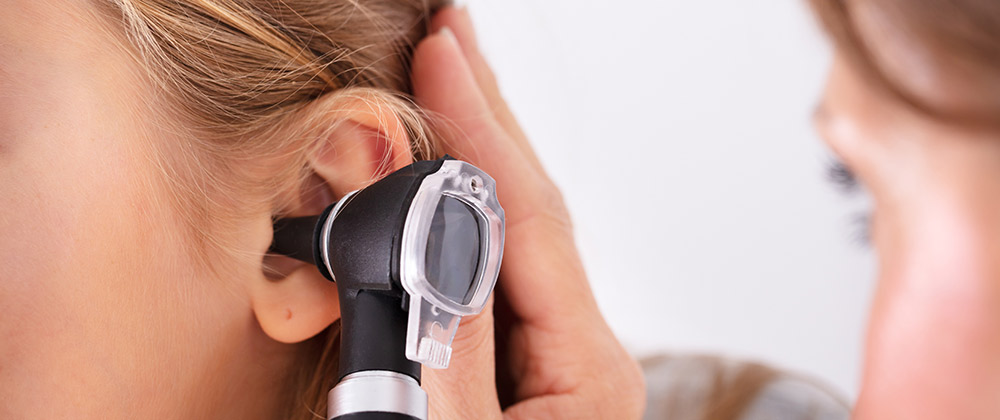
Normal hearing helps a child develop speech and language skills and supports communication and education.
This is why hearing screening is mandatory in developed countries, both in the neonatal period and at preschool age. Children with hearing loss are now identified and treated at much younger ages than in the past.
Early management of hearing loss before an infant reaches six months of age leads to significantly better outcomes in speech and language than when treatment begins later.
Degrees of hearing loss
A child can be diagnosed with hearing loss at any age, even from the first days of life. The minimum threshold for normal hearing is usually a sound of 15 decibels (dB), which corresponds to the sound produced when people whisper or to the rustling of leaves.
Even in the case of Minimal hearing loss (16 – 25 dB HL): a child who is unable to hear the rustling of leaves may also fail to hear voiceless consonants and may have difficulty understanding certain parts of speech. These children may present with a slight delay in speech development and mild articulation disorders.
In Mild hearing loss (26 – 40 dB HL): children hear vowels better but not most consonants. They do not hear enough of the elements of speech at a normal speaking volume. Children with this degree of hearing loss may present with attention difficulties, delayed speech development, articulation disorders and possibly learning difficulties.
In Moderate hearing loss (41 – 55 dB HL): children do not hear most elements of speech at a normal speaking volume. Children with this degree of hearing loss may present with attention difficulties, delayed speech development, articulation disorders and learning difficulties.
In Moderately severe hearing loss (56 – 70 dB HL): children do not hear any elements of speech at a normal speaking volume. They hear only loud speech at close range and loud environmental sounds. Children with this degree of hearing loss may present with attention difficulties, significant delay in speech and language development and serious learning difficulties.
In Severe hearing loss (71 – 90 dB HL): children with this degree of hearing loss can develop speech and language only with systematic support and may present with very significant delays in speech and language development and very serious learning difficulties.
In Profound hearing loss – practical deafness (91+ dB HL): children hear almost no sound without hearing amplification. With amplification, they may hear loud environmental noises and the rhythm of speech. Deaf individuals belong to this category and may also present with additional problems of resonance, prosody and phonation.
Hearing loss in children: the numbers
Hearing loss is an extremely common sensory disorder. It is considered the third most common chronic condition in the general population and the most common congenital disorder in children.
It is estimated to occur in:
- 1.4‰ of newborns
- 2-5% of high-risk infants (premature infants, newborns admitted to intensive care units, etc.)
- 1.4‰ of children aged 8 years (specifically, presenting with bilateral hearing loss > 40 dB HL),
- 14.9% of children aged 6-19 years, with high- or low-frequency hearing loss, either unilateral or bilateral.
According to OECD data, hundreds of thousands of people, including 12%-15% of school-age children, already have permanent hearing damage due to everyday noise exposure!
Causes of hearing loss
- Hereditary or genetic causes
- Acoustic trauma (exposure to very loud noise)
- Medication side effects
- Various diseases (diabetes, kidney disease)
- Head injury (fracture of the base of the skull)
- Inflammatory and infectious diseases associated with sensorineural hearing loss (acute otitis media, chronic otitis media, meningitis, rubella, measles, influenza, mumps, herpes zoster)
- Acoustic neuroma and other tumors in the region
- Ageing
It is estimated that more than 60% of cases could be prevented through preventive measures.
Effects of hearing loss
They depend on many factors, such as the degree and configuration of hearing loss, the age at onset, the age at which rehabilitation begins, intellectual level, family attitude, etc.
There are three main ways in which hearing loss affects children:
- It causes delays in speech and language development.
- It causes learning difficulties that lead to reduced academic performance.
- It causes communication difficulties that often lead to social isolation and reduced self-esteem.
Hearing loss may also have physical consequences, such as excessive fatigue, stress and headaches, which may result from the effort the patient makes to hear.
It is associated with reduced productivity and poorer performance at work (and therefore lower income), resulting in higher costs for both the family and the state.
Finally, there are also safety issues, since people with hearing loss may miss auditory signals essential for safety and survival – from the telephone or a home alarm to the horn of a car.
Managing the negative effects of hearing loss
The negative effects can be addressed comprehensively and appropriately when a wide range of professionals work together:
- physicians from various specialties
- speech and language therapists
- psychologists
- social workers
- teachers
- special education teachers.
However, parental involvement is equally important and effective.
In addition to these specialties, an important role is also played by the appropriate devices used according to the type, cause and severity of hearing loss:
- Hearing Aids
- Bone-Anchored Hearing Aid (Baha®)
- Cochlear Implant (CI)
- Auditory Brainstem Implant (ABI).
Prevention and rehabilitation measures
- The need for universal newborn hearing screening, which should be recorded in the child’s health booklet.
- Repeat hearing screening for preschool-age children.
- Raising awareness among parents, teachers, speech and language therapists and pediatricians regarding early referral to an audiology center.
- Avoiding exposure to excessive noise.
The longer the delay, the more the child misses out on in life, the more difficult it will be to adapt to hearing devices, and the more difficult it will be for the brain to reuse the auditory pathways responsible for processing and producing sound.
We should not forget that the Brain is the True Organ of Hearing; the ears simply transmit sounds to the brain.
Author