

New protocol to avoid complications in hip arthroplasty
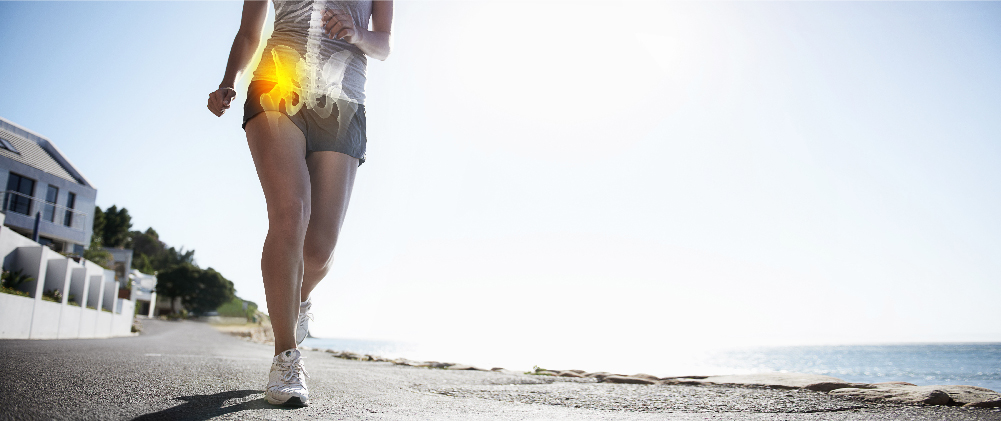
The Athens Medical Center’s Large Joint Clinic was the first to introduce the new protocol to avoid complications in hip arthroplasty.
Total hip arthroplasty is one of the most successful procedures in the history of medicine, relieving millions of patients each year who suffer from osteoarthritis, osteonecrosis, dysplasia or hip fracture.
The most advanced technique for the operation is the ASI (Anterior Supine Intermuscular) method, which is applied at the Large Joint Clinic of the Athens Medical Center.
The advantages of the ASI method are many and come from its minimally traumatic philosophy, as it is performed with a small incision (6 – 7 centimeters) on the anterior surface of the hip without cutting muscles and tendons in the area. In this way, blood loss and the need for transfusion are minimized, hospitalization is shortened and the patient’s mobilization and recovery are allowed quickly.
The minimal trauma to the area and the rapid recovery after the operation contribute to avoiding complications that are relatively common with other older techniques, such as thrombosis, major bleeding and respiratory problems.
One of the most “annoying” complications of total hip arthroplasty is anisocele, which may develop after the prosthesis is implanted. Although anterior hip approaches allow better control of leg length intraoperatively compared to lateral and posterior approaches, several patients experience postoperative anisocele of more than one centimeter.
The Large Joint Clinic of the Athens Medical Center has provided a solution to the problem of anisocele by using intraoperative clinical and radiological control, so that even small anisoceles can be corrected in the operating room.
The clinic’s latest innovation concerns the improvement of the intraoperative protocol, using computer software that allows for the precise measurement of the difference in the length of the two lower limbs after digital radiography during surgery. The radiography is performed with the most advanced system from a major company that allows the image to be taken and displayed within seconds.
The use of the new protocol led to even better results in terms of avoiding asymmetry and further reducing the duration of the operation, as shown in the clinic’s study recently published in the European Journal of Orthopaedic Surgery and Traumatology with the title “A new method for intraoperative assessment of leg length, sizing and placement of the components in total hip replacement”.
The publication of the study is another success of the Large Joint Clinic of the Athens Medical Center, following its selection as the only Training & Reference Center in Greece and one of the few in Europe in this specific technique, certified by the company Zimmer Biomet.
According to the International Certification, the clinic meets the necessary criteria and offers a comprehensive training program in the ASI (Anterior Supine Intermuscular) technique, addressed to surgeons from Greece and abroad. This specific program is already underway, with a large number of surgeons having successfully completed the training process.
At this point, it should be noted that the Large Joint Clinic has completed the number of 2,000 procedures using the ASI method with amazing success rates.
It is important to emphasize that even after returning to normality, we should preserve our health, in case we had neglected it due to the circumstances. The broader hospital environment, the organized structures and the personalized treatment, as they exist and are applied at the Athens Medical Center, but also in all the clinics of the Athens Medical Group, should be the criteria for choosing a doctor.
In each hospital of the Group, from a very early stage, special precautionary measures against COVID-19 cases were and are being applied, which are updated for as long as necessary.
In this way, the clinics continue their operation without interruption, 24 hours a day, 365 days a year, based on the strictest approved health protocols.