

Meningitis & prevention: The role of vaccination
Meningitis is an inflammatory disease that affects the meninges, the protective membranes that surround the brain and spinal cord, and is usually caused by an infection.
Are all forms of meningitis dangerous?
It is very important to make it clear that not all forms of meningitis are dangerous. Viral meningitis, which is the most common, is usually mild and self-limiting, with a good prognosis without specific treatment. In contrast, bacterial meningitis is rarer but very serious and is an extremely urgent medical condition that can be life-threatening if not treated immediately.
What are the most common causes of meningitis?
The most common causes of bacterial meningitis are pneumococcus, meningococcus, and Haemophilus. Less commonly, meningitis can be caused by fungi, parasites, or Mycobacterium tuberculosis, especially in patients with immunosuppression or chronic diseases. Viral meningitis is most often caused by enteroviruses, which are easily transmitted mainly among children and young adults, especially during the summer months. Other viruses that may be responsible are herpesviruses and, more rarely, the mumps and measles viruses.
How is it transmitted?
Transmission is mainly through respiratory droplets, i.e. by coughing, sneezing or close contact with an infected person. Crowding in closed spaces, such as schools, barracks and student dormitories, increases the risk of spread. It is important to note that some people can be carriers of the bacteria, without showing symptoms, but can transmit them.
What are the symptoms?
Symptoms usually appear suddenly and include high fever, severe headache, neck stiffness, photophobia, nausea and vomiting. In more severe cases, confusion, impaired consciousness, convulsions or even coma may occur. In meningococcal infection, a characteristic hemorrhagic rash may appear. In infants, symptoms are often nonspecific, such as irritability, decreased feeding, and drowsiness, which makes early recognition difficult.
How is the diagnosis made?
The diagnosis is based on a combination of the clinical picture and laboratory tests. Lumbar puncture is the main diagnostic test, as it allows the analysis of the cerebrospinal fluid and the distinction between bacterial and viral forms.
What is the treatment?
Bacterial meningitis requires immediate hospitalization and rapid initiation of intravenous antibiotic treatment, often before the diagnosis is fully confirmed. In some cases, corticosteroids are also administered to reduce inflammation and complications. Early treatment is crucial for the prognosis. In contrast, viral meningitis is mainly treated supportively, with rest, hydration and analgesics, while only in specific cases, such as herpesvirus infections, antiviral treatment is required.
What are the possible complications?
Complications occur mainly in the bacterial forms and include hearing loss, neurological deficits, learning disabilities, seizures and movement disorders. In severe cases, sepsis and multiorgan failure may occur, making the disease particularly dangerous if not treated promptly.
When are precautionary measures needed?
Precautionary measures are not necessary in all forms of meningitis. In viral meningitis, special measures beyond basic hygiene are usually not required. In contrast, in cases of bacterial meningitis, and especially when it comes to meningococcal, prophylactic antibiotic treatment is required for people who have had close contact with the patient (such as family members or roommates). Widespread disinfection of areas is not recommended, as the microbe does not survive for long in the environment; standard cleaning and ventilation measures are sufficient.
How can it be prevented?
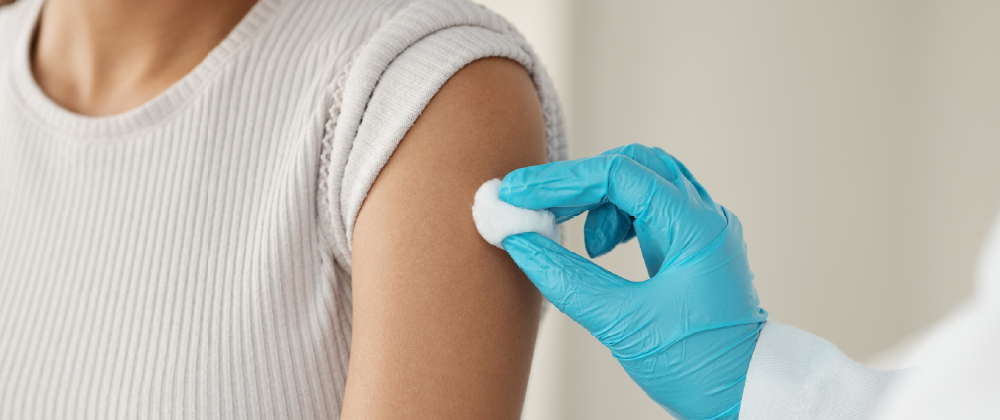
Vaccination is the most important preventive measure for serious bacterial forms of meningitis. There are Vaccines against pneumococcal, meningococcal and haemophilus are available, which have significantly reduced the incidence of the disease. At the same time, adherence to basic hygiene rules, such as frequent hand washing, avoiding close contact with sick people and timely medical assessment when suspicious symptoms appear, contribute substantially to limiting transmission and protecting public health.
Author