Regain your hand movement
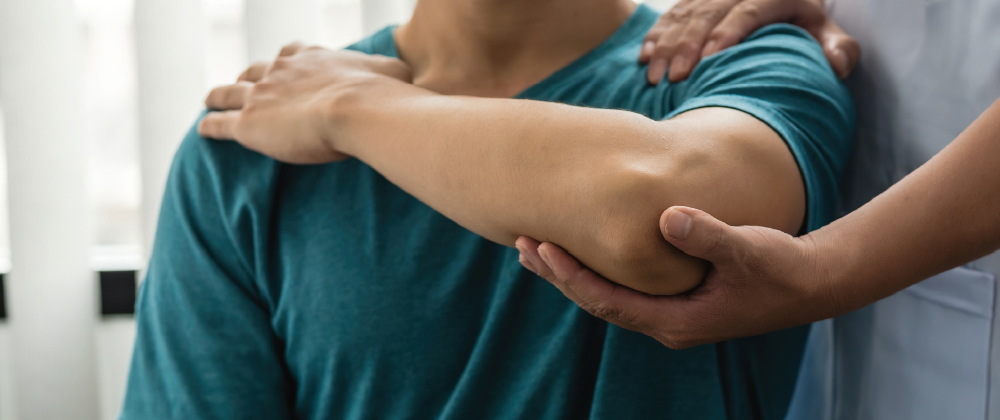
The shoulder is the most mobile joint in the human body, a characteristic that gives it a large range of motion, but at the same time increases its vulnerability to injuries and degenerative changes.
A significant percentage of shoulder pathologies are related to ruptures of the rotator cuff tendons. These tendons can be likened to a strong “rope” that, under the influence of chronic strain, repetitive movements or acute injury, undergoes gradual wear, initially partial and in advanced cases complete rupture.
The evolution of arthroscopic treatment
The Upper Extremity Department of the Athens Medical Center applies the arthroscopic technique for the repair of rotator cuff tears and other shoulder conditions. This is a modern, minimally invasive method, in which, through small skin holes, an arthroscope and specialized precision tools are inserted for the targeted repair of the damage.
The main advantages of the technique include:
- High precision: The enlarged rendering of joint allows for detailed evaluation and anatomical repair of the rupture.
- Protection in healthy tissues: The targeted approach limits surgical trauma and preserves intact tissues.
- Urgent hospitalization: The duration of the operation usually varies between 45 and 60 minutes. In most cases, the patient is discharged the same day or the next morning at the latest.
- Effective postoperative analgesia: The Postoperative pain is usually mild to moderate and is adequately treated with simple medication.
Time and stages of rehabilitation
One of the most frequent questions from patients concerns the time it takes to return to normal use of the upper limb. In the past, with classic open surgical techniques, full recovery could take more than six months.
With modern arthroscopic methods, the recovery time has been significantly reduced, without however underestimating the importance of proper tendon healing.
- Recovery time: Functional return is usually achieved within 3 weeks to 2 months for daily activities, depending on the extent of the rupture and the individual characteristics of the patient. H return to demanding activities may require a longer period of time.
- Specialized rehabilitation program: Postoperatively, an organized physical therapy program is applied, adapted to the severity of the injury. The gradual mobilization and strengthening of the shoulder muscles is crucial so that the patient can safely and confidently return to all of his activities.
A successful outcome depends not only on technically perfect surgical rehabilitation, but also on consistency in recovery and close cooperation between the doctor, physiotherapist and patient.
Success rates and expectations
Modern Shoulder surgery is accompanied by particularly high success rates, especially when the rupture is diagnosed and treated in a timely manner. In recent injuries, where the quality of the tissues is good and no significant degeneration has occurred, rehabilitation can approach extremely high rates of full functional return.
Even in chronic or more complex ruptures, arthroscopic rehabilitation leads, in most cases, to a clear improvement in pain, strength and range of motion, offering the patient an upper limb significantly more functional compared to the pre-operative state.
At the Athens Medical Center, the utilization of modern equipment and advanced surgical techniques, combined with a specialized medical team, ensures high-level care. The goal of the therapeutic approach is not only the anatomical restoration of the tendon, but also the substantial improvement of the patient’s quality of life and the safe return of the patient to his daily and professional activities.
Author